
Travel Programs for People With Disabilities: How They Work
Travel changes us. It broadens perspectives, creates memories, and connects us to new experiences. For many adults with disabilities, though, independent travel presents significant challenges. Navigating airports, managing medications in unfamiliar places, and coordinating accessible accommodations can feel overwhelming or simply impossible without extensive support.
That’s where specialized disability travel programs come in. These programs create opportunities for adults with disabilities to explore the world with professional support every step of the way. This article explains how these programs work, what they offer, and why they’re opening doors to adventures that might otherwise remain out of reach.
Breaking Barriers to Adventure
Many families with loved ones who have intellectual or developmental disabilities want to travel but face real challenges that can make trips feel too difficult or stressful to consider. A recent editorial highlights how the routines, preparation, and fear of unfamiliar environments can keep travel out of reach for some families.
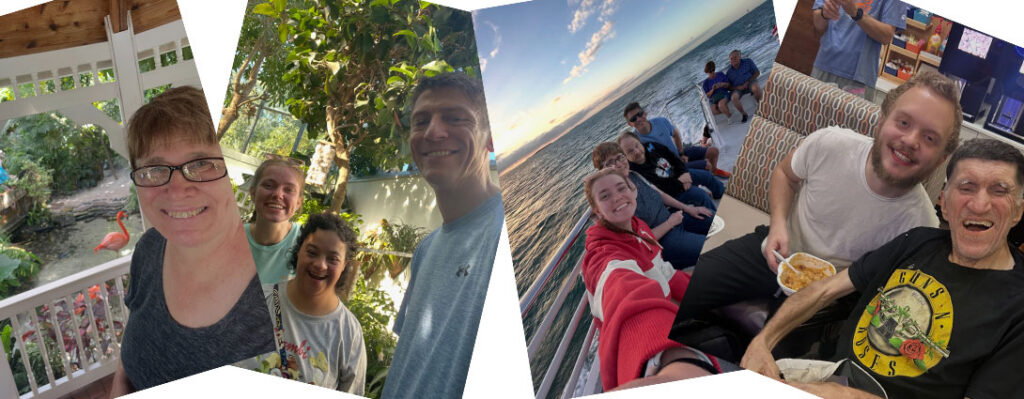
However, when barriers are removed and thoughtful supports are in place, travel can become a real possibility instead of a distant dream. That’s why inclusive travel programs are so meaningful. They help people with IDD experience the world, make memories, and enjoy the same vacation opportunities as everyone else.
Who These Programs Serve
Special needs travel programs primarily serve adults ages 18 and older with intellectual and developmental disabilities. The travelers they support include:
- Adults with Down Syndrome, autism, cerebral palsy, and other developmental conditions
- People who want to travel independently from family members and build friendships with peers who share similar experiences
- Individuals seeking community connection and social opportunities through shared adventures
These programs fill a unique gap. They give adults the chance to have their own vacation stories to share, just like everyone else. For many participants, it’s the first time they’ve traveled without parents or family caregivers, which makes the experience even more meaningful.
How the Programs Are Structured
Safety and support are the foundation of every trip. Most programs maintain a ratio of approximately one caregiver for every two travelers. Professional nursing staff also accompany each group to handle medical needs and emergencies.
The support team manages the practical details that make travel possible. This includes medication reminders and administration, assistance with personal care routines, help with budgeting and spending money, and round-the-clock supervision.
The goal is balance. Programs prioritize safety while encouraging travelers to make their own choices about activities, meals, and how they spend their time. This approach builds confidence and reinforces independence, turning each trip into a growth opportunity.
What’s Included in These Trips
Inclusive travel programs often operate on an all-inclusive model that removes the stress of planning. Here’s what’s typically covered:
- Transportation, lodging, and meals: Everything from airport pickups to hotel rooms to dining is arranged and included
- Activities and entertainment: Admission fees, tickets, and planned experiences are built into the package
- Professional supervision and assistance: Staff support throughout the entire journey
Trips usually last three to seven days and involve visiting accessible destinations such as theme parks, beach resorts, major cities, and national parks. For example, destinations may include Pigeon Forge for Dollywood visits, Disney World for holiday celebrations, or Caribbean cruises.
The beauty of these programs is that they handle all the accessibility logistics. Staff members coordinate wheelchair-accessible transportation, book hotels with appropriate accommodations, and plan routes that work for everyone’s mobility needs.
Why These Programs Matter
The value of these programs extends far beyond the activities themselves. Research shows that tourists with intellectual disabilities describe their travel experiences as significant and meaningful, often providing them with a sense of normality, enhanced self‑efficacy, and stronger social connections.
For parents and caregivers, a special needs vacation offers a well-deserved break from the daily demands of supporting a loved one. These trips allow caregivers to recharge while knowing their family member is safe, supported, and engaged in enriching experiences. The structured environment ensures both participants and caregivers can enjoy the benefits of travel without added stress.
If you’re interested in exploring inclusive vacations for a loved one, start by learning more about Echoing Hills’ travel program. We also offer summer camps and respite weekends, giving campers fun, safe experiences while allowing families and caregivers to rest and recharge.
About Echoing Hills
Since 1967, our mission has been to improve the lives of people who live, learn, connect, play, and worship. We provide premier camp, residential, educational, and adult services for individuals with intellectual and developmental disabilities throughout Ohio. Our values center on the right to choose, the dignity of each person, and personal fulfillment.
Learn more and start planning your inclusive adventure today!