
Man! I Feel Like a Woman!
The Perils of Perimenopause
Cue Shania Twain. (HaHa!)
Nothing says “Man! I Feel Like a Woman!” quite like standing in front of the refrigerator at 2:13 a.m., sweating through your pajamas and wondering why you walked into the kitchen in the first place.
Welcome to perimenopause. When our hormones apparently hold a staff meeting and unanimously decide to stop communicating.
One minute, you’re fine. The next, you’re crying over a commercial. Then you’re irritated.
Why? No idea. But somebody is breathing entirely too loud.
And DO NOT TOUCH THE THERMOSTAT.
We laugh because sometimes we have to. Hot flashes, sleepless nights, brain fog, changing periods, anxiety, mood swings, aches and pains, weight changes…and the occasional feeling that someone has taken over your body without permission.
But here’s where I want us to look a little deeper.
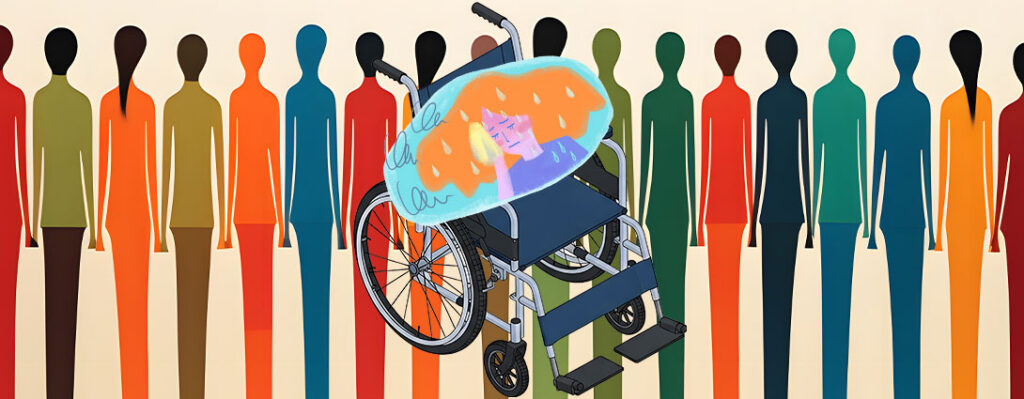
What about women with intellectual and developmental disabilities who may not be able to tell us what they’re experiencing?
Sometimes we forget that women with disabilities have the same female biology and experience hormonal changes, too. Their bodies still change. Hormones still fluctuate. Menstrual cycles change. Menopause still comes.
But they may not have the words to say:
I’m hot. I’m anxious. I didn’t sleep last night. My body hurts. I don’t understand why I feel this way.
Instead, we may see increased agitation, crying, withdrawal, disrupted sleep, resistance to routines, changes in appetite, self-injury, aggression, or behaviors that simply seem unlike them.
And too often, our first question becomes: “What’s wrong with her behavior?”
Maybe we need to ask: “What is her body trying to tell us?”
For a woman who already has difficulty communicating pain, discomfort, emotions, or changes within her body, perimenopause can add another layer to an already complicated world.
That’s where patience, observation, compassion, and advocacy become so important.
Track changes. Notice patterns. Listen to the people who know her best. Make sure medical providers consider hormonal and physical changes when new behaviors appear. Help her find ways to communicate discomfort and regulate emotions. And above all, don’t assume every change is simply part of her disability.
Sometimes behavior is communication.
So, yes, we can laugh about forgetting why we walked into a room and carrying a portable fan everywhere we go. But let’s also remember the woman who cannot explain what she’s feeling. She deserves the same understanding, support, dignity, and perhaps control of the thermostat.
Man… I feel like a woman!
**
Echoing Hills is a 501 (c) (3) non-profit organization based in Warsaw, Ohio. Echoing Hills provides residential, educational, recreational, and adult service programs throughout the state of Ohio for individuals with intellectual and developmental disabilities. The programs align with their values: the right to choose, the dignity of each person, personal fulfillment in God’s plan, and a relationship with Jesus Christ. Echoing Hills is committed to revolutionizing lives where people live, learn, connect, play, and worship.